

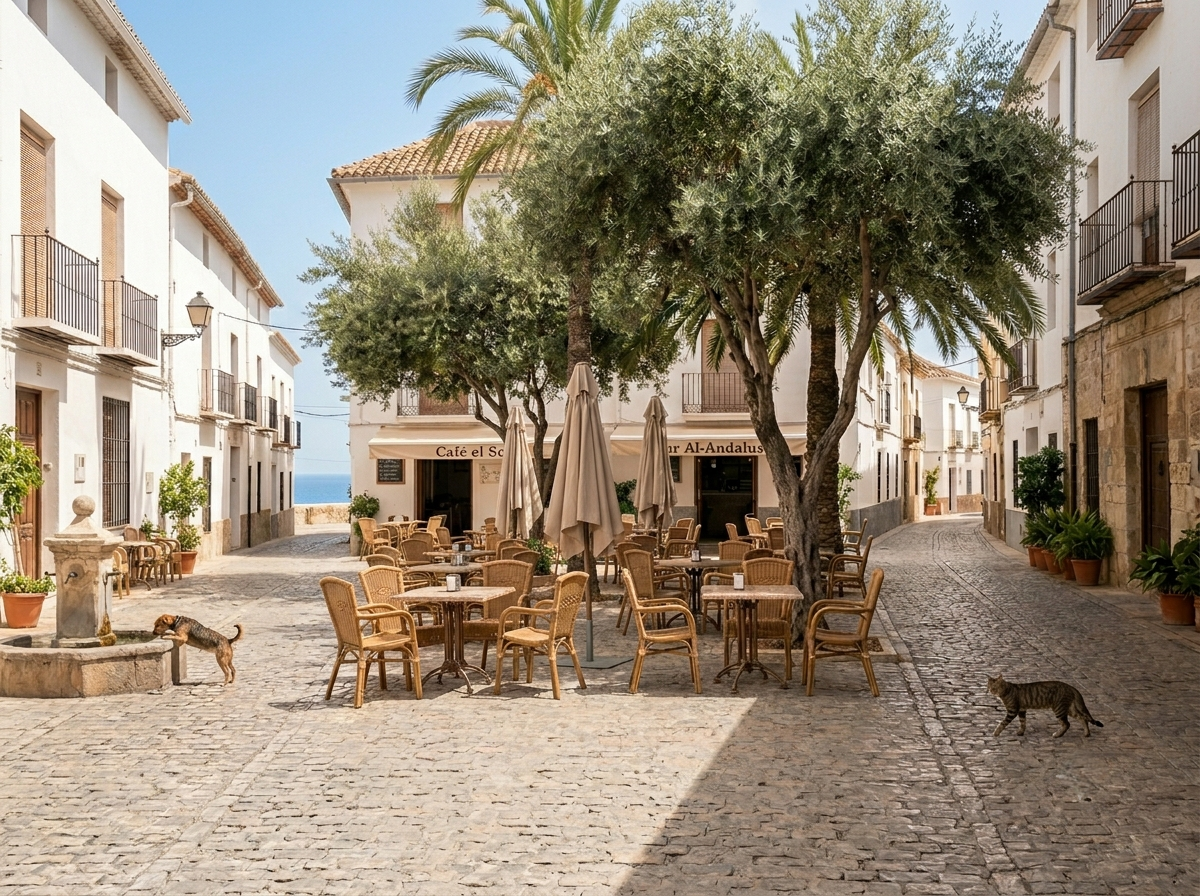
The Spanish Siesta: Myth, Reality… and Perhaps a Very Good Idea
When people think about Spain from abroad, the siesta almost always comes up in conversation. Alongside paella, flamenco and sunshine, it forms part of those great stereotypes that seem to define the country. Many foreigners even arrive imagining a Spain where, after lunch, shutters come down, streets empty and everyone disappears for a couple of hours to sleep.
But how much of this is actually true? Does the siesta still exist? Do Spaniards really take one? And, perhaps most importantly, is it really as good an idea as it sounds?
The short answer is: yes… but not quite in the way many people imagine.
1. The Siesta: More Than Just a Nap
Although we now associate it with a distinctly Mediterranean lifestyle, the idea of taking a short rest after lunch has ancient roots. In fact, the word siesta comes from the Latin sexta hora, meaning the sixth hour of the day, traditionally the hottest part of the afternoon when the body naturally welcomed a pause.
In traditional Spain, particularly in agricultural areas, stopping for a while after lunch made perfect sense. In many regions, the heat during the early afternoon made outdoor work uncomfortable and sometimes impractical. A short rest allowed people to recover before continuing with the rest of the day’s work.
There is also a simpler explanation: when lunch is eaten late and the day stretches on into the evening, the body occasionally appreciates a little break.
2. The Big Surprise: No, Not Everyone in Spain Takes a Siesta
This is perhaps the greatest misunderstanding of all.
The reality is that nowadays not everyone takes a siesta — far from it. In large towns and cities, work schedules, school runs, commuting and modern lifestyles mean that many people simply do not have the time.
Younger generations tend to take fewer siestas than their parents or grandparents, while the habit remains more common among retirees, older people, those with flexible working hours and residents of rural areas.
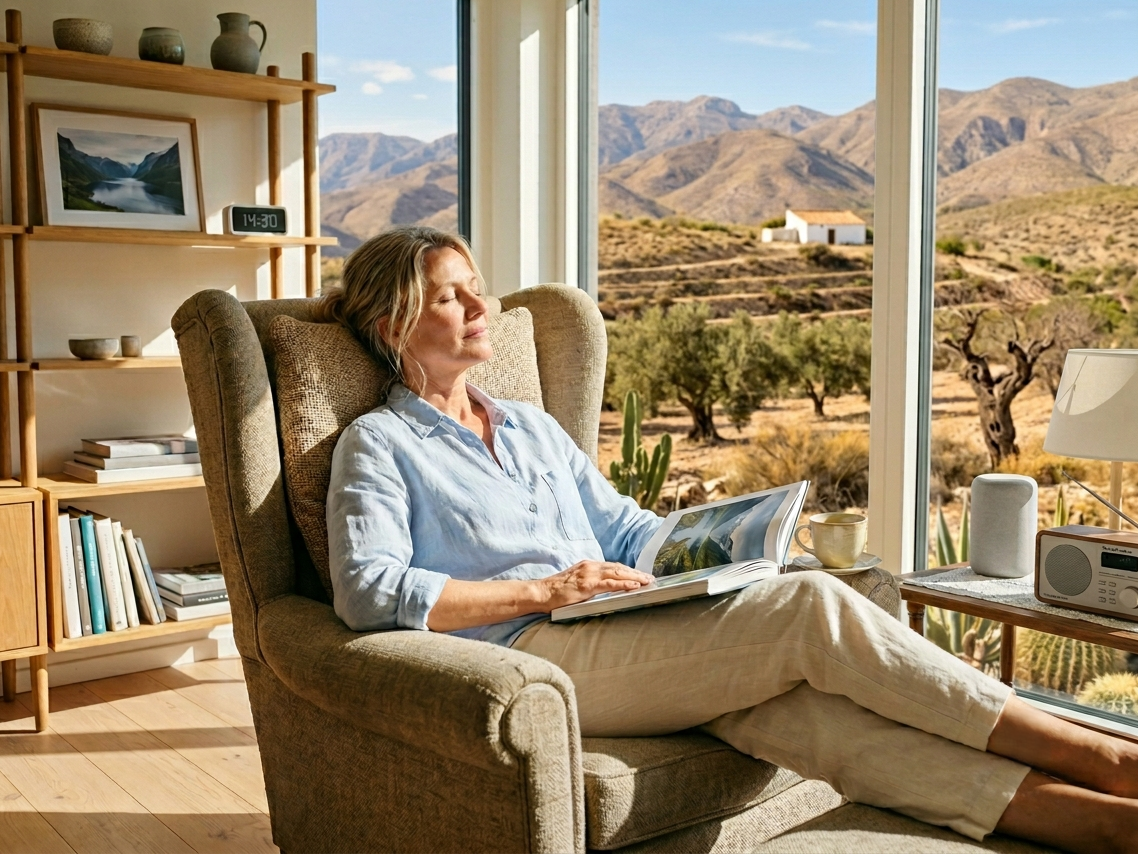
There is also an important distinction between “taking a siesta” and simply resting. For many Spaniards, sitting quietly on the sofa, closing their eyes for a few minutes or simply switching off mentally already counts as a restorative pause.
In other words, the siesta still exists, but modern Spain bears little resemblance to the tourist cliché.
3. Is It Good for Your Health, or Just a Mediterranean Luxury?
This is where things become particularly interesting: science appears to be largely in favour of the siesta… provided it is done properly.
Various studies suggest that a short nap can improve concentration, memory, mood and overall energy levels. It may also reduce fatigue and support cognitive performance, something especially relevant as we grow older.
For many people over the age of 55, a brief rest after lunch can become a pleasant way of listening to the body and respecting its natural rhythms.
However, not every siesta is equally beneficial.
4. The Ideal Siesta: Short, Light and Sensible
Sleep specialists generally agree on one point: less is often more.
The so-called “ideal” siesta typically lasts between 10 and 30 minutes. The aim is not to fall into a deep sleep, but simply to recharge and wake up feeling refreshed.
When a siesta lasts too long — an hour, two hours or more — it becomes more likely that you will wake up feeling groggy, disturb your night’s sleep or experience a lingering sense of sluggishness.
There is no need to become overly strict about it. Sleeping is not essential. Reading quietly, closing your eyes or simply sitting in peace for a few minutes can provide many of the same benefits.
And perhaps there is a small Spanish lesson here: resting is not always a waste of time.
5. A Tradition Less Spanish Than We Think
Although the siesta is immediately associated with Spain, the idea of resting briefly during the day exists in many parts of the world.
Mediterranean countries such as Italy, Greece and Portugal have similar traditions, particularly in warmer regions.
In Japan there is even a fascinating concept known as inemuri, referring to short naps in public places or at work, often viewed not as laziness but as a sign that someone has been working hard.
In China, taking a short rest after lunch is also relatively common, including in some offices and schools.
Meanwhile, in Northern Europe and English-speaking countries, the daytime nap has returned under a much more modern name: the power nap. Large companies and wellbeing experts now promote its benefits for concentration, creativity and productivity.
Perhaps Spain did not invent the siesta… but it has certainly managed to preserve something that other countries are beginning to rediscover.
6. More Than Sleep: A Different Relationship with Time
Perhaps the most interesting aspect of the siesta is not the siesta itself.
At its heart, it represents something broader: a different way of understanding time, rest and daily balance.
In a society where we often feel obliged to be constantly busy, permanently connected and endlessly productive, perhaps taking twenty minutes to pause is not a Mediterranean eccentricity at all, but simply good common sense.
There is no need to become fully Spanish or adopt every local custom. But it may be worth asking yourself a simple question: when was the last time you allowed yourself to rest without feeling guilty?
A Small Pleasure Worth Considering
In the end, the siesta is not quite the cinematic cliché many people imagine, but neither is it a myth.
It is still very much alive, albeit in a different form. For some it remains a daily habit; for others, an occasional luxury. And for many foreigners who have lived in Spain for years, it becomes one of those customs that initially seem strange… and later become surprisingly difficult to live without.
You may not need to become completely Spanish. But the occasional good siesta… might not be such a bad idea after all.
At DIDIER&Co, we like to share information that may be of interest to you, such as what you have just read. We want to help you settle in Spain and overcome language and bureaucratic barriers.
With more than fifteen years of experience, we provide advice, assistance and interpreting in Spanish, English, French and soon Dutch. Spanish medical interpretation and medical translation is our speciality. Whether you are a resident or a tourist, we support you when you need to see doctors in Spain or navigate official procedures. Our aim is to make your life easier.
WE INTERPRET, WE HELP, WE CARE.