

Second-hand: everyone benefits. The buyer, the seller and our planet.
After the festive season, many people realise that not all the gifts they received truly fit their tastes, their space or their needs. This is the time of year when listings for items “brand new” or “used once” multiply. In Spain, the second-hand market, which for decades kept a relatively low profile, is now experiencing unstoppable growth, driven by a change in mindset, environmental awareness and, of course, the need to save money.
In the developed world, and particularly in southern Europe, this shift is significant. Just two decades ago, buying or selling something used was associated more with necessity than with choice. Today, by contrast, it is a conscious and responsible decision. Buying or selling second-hand is no longer seen as marginal, but as a smart option, both for one’s finances and for the planet.
An increasingly varied market
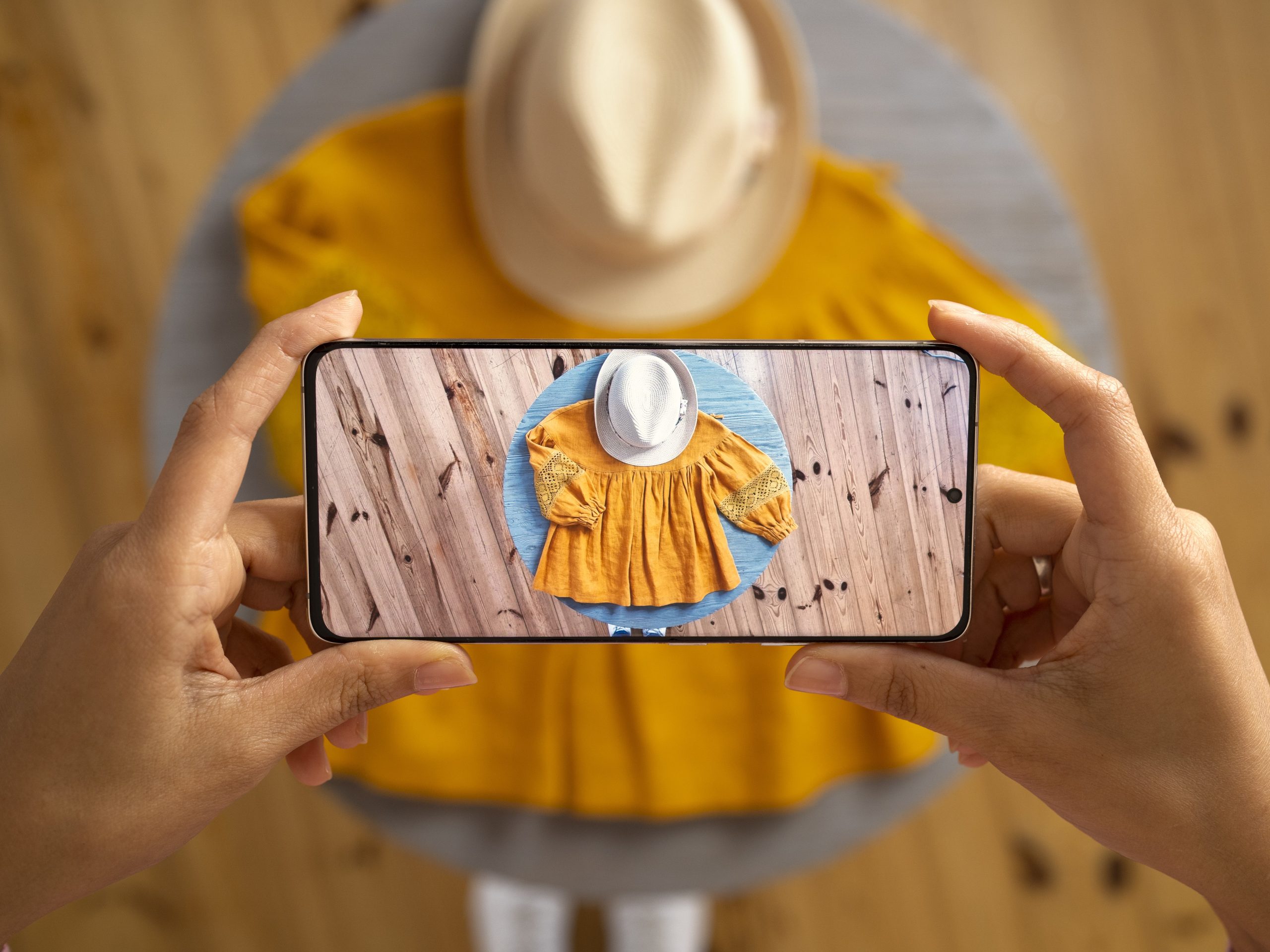
In Spain, the range on offer is surprisingly wide. Specialised websites such as Wallapop, Vinted, Milanuncios or Todocolección have become genuine meeting points for private individuals. Facebook Marketplace also plays a central role, especially in rural areas or small towns, where local transactions are often more convenient and feel safer.
Alongside the digital world, second-hand markets continue to grow year after year: from the well-known Sunday flea markets in some large cities on the mainland (such as Murcia, close to us), to small local fairs combining antiques, collectables and vintage clothing. Second-hand shops have also diversified: some focus on fashion (such as Humana or Micolet), others on household appliances, electronic devices, musical instruments or jewellery, like Cash Converters.
There are also so-called social shops or charitable associations (Cáritas, the Red Cross, REMAR, among others), where the proceeds from sales are used to fund solidarity projects. Buying there also means supporting a good cause.
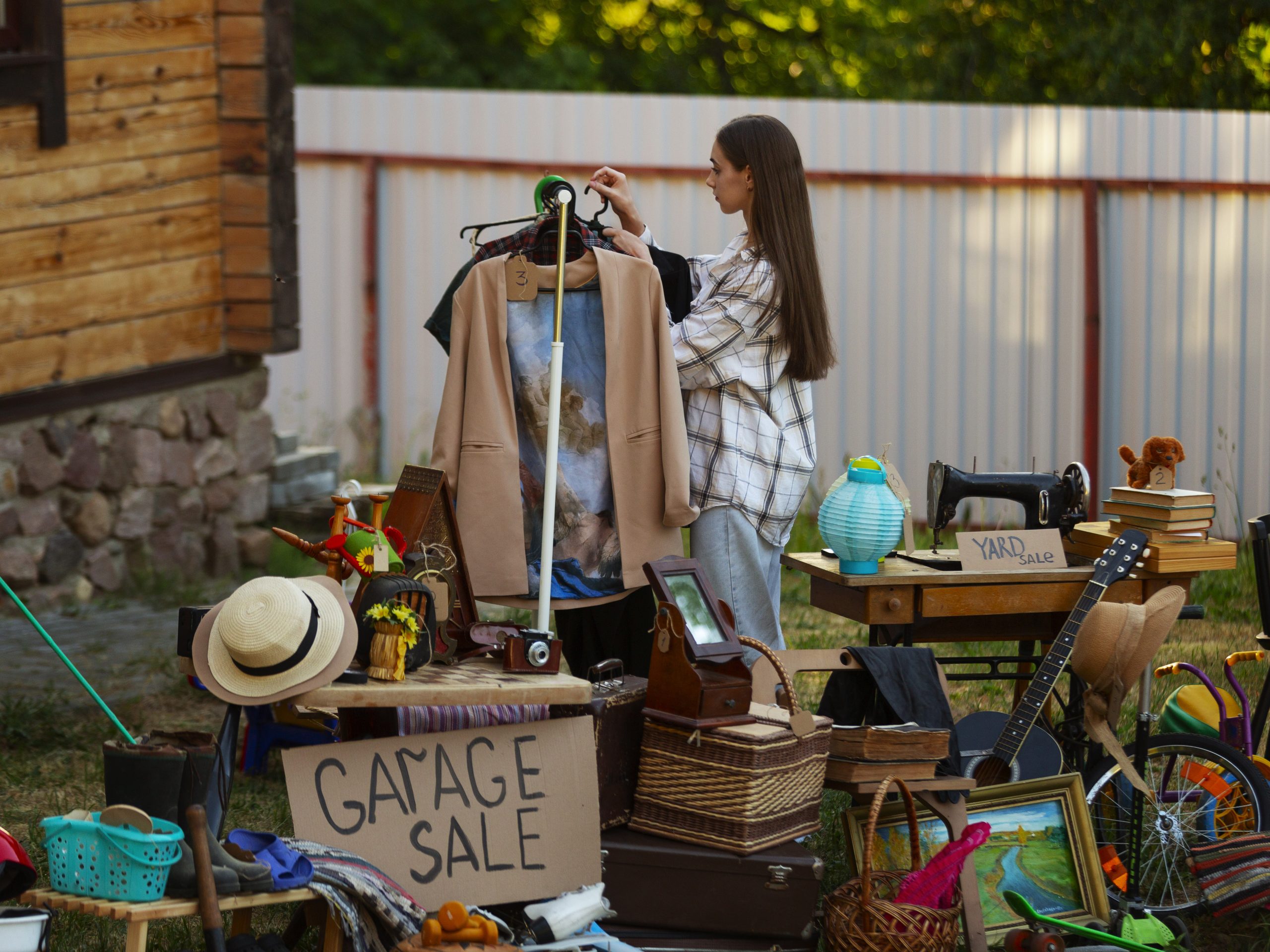
Interestingly, Spain has very few of the private, neighbourhood-style markets that are so common in central and northern Europe, in countries such as Belgium, the Netherlands, Germany or England, to name just a few. Sales between neighbours or from one’s own garden are not part of the local tradition, although similar initiatives are gradually appearing in areas with a higher concentration of foreign residents.
A smart and sustainable choice
Buying second-hand not only helps to reduce expenses; it also extends the useful life of objects and prevents them from ending up in landfill prematurely. Every item reused means fewer natural resources extracted and less energy consumed to produce a new one. In a context of excessive consumption, second-hand is a simple and realistic way of acting in favour of the environment.
Some useful precautions
As with any exchange between private individuals, a certain degree of caution is advisable. For technological products or items of higher value, it is recommended to test them in person, ask for the receipt or check their actual condition before paying. With clothing or accessories, inspect seams and materials; and with furniture or household appliances, make sure they work properly. The best-known platforms offer chat functions, secure payment systems and user ratings, all of which provide added reassurance.
Selling is taking part too
The second-hand market is not only about buying. Selling items we no longer use is just as important. Each sale is a small material and mental clear-out: we free up space, earn some extra money and give a second life to things we had forgotten about. At the same time, someone else can make use of them at a good price. In this exchange, everyone benefits: the buyer, the seller and our planet.
Perhaps that is why, more than a passing trend, the second-hand market has become a reflection of a new way of living: more conscious and more sensible.
At DIDIER&Co, we like to share information that may be of interest to you, such as what you have just read.
We want to help you settle in Spain and overcome language and bureaucratic barriers. With more than fifteen years of experience, we provide advice, assistance and interpreting in Spanish, English, French and soon in Dutch. Spanish medical interpretation and medical translation is our speciality. Whether you are a resident or a tourist, we support you when you need to see doctors in Spain or navigate official procedures. Our aim is to make your life easier.
WE INTERPRET, WE HELP, WE CARE
Photos: courtesy of Freepik